Discovering Asakusa in Tokyo and Its Special November Festival, Tori-no-Ichi ~浅草の魅力と酉の市
Tokyo is famous for its tall buildings and modern technology. However, there is one area where the spirit of old Edo (former Tokyo) is still alive: Asakusa.
Walking through the famous Kaminarimon Gate(雷門) feels like stepping back in time. You can see traditional culture, skilled craftwork, and the warm, friendly spirit of local downtown (shitamachi, 下町) people. If you visit Tokyo in November, you can also experience a very special local event: Tori-no-Ichi (The Rooster Fair)
Why Travelers Love Asakusa
Before we talk about the November festival, let’s look at why Asakusa is a great place to visit all year round. Unlike modern areas like Shibuya or Shinjuku, Asakusa keeps the nostalgic feel of old Tokyo in three main ways:
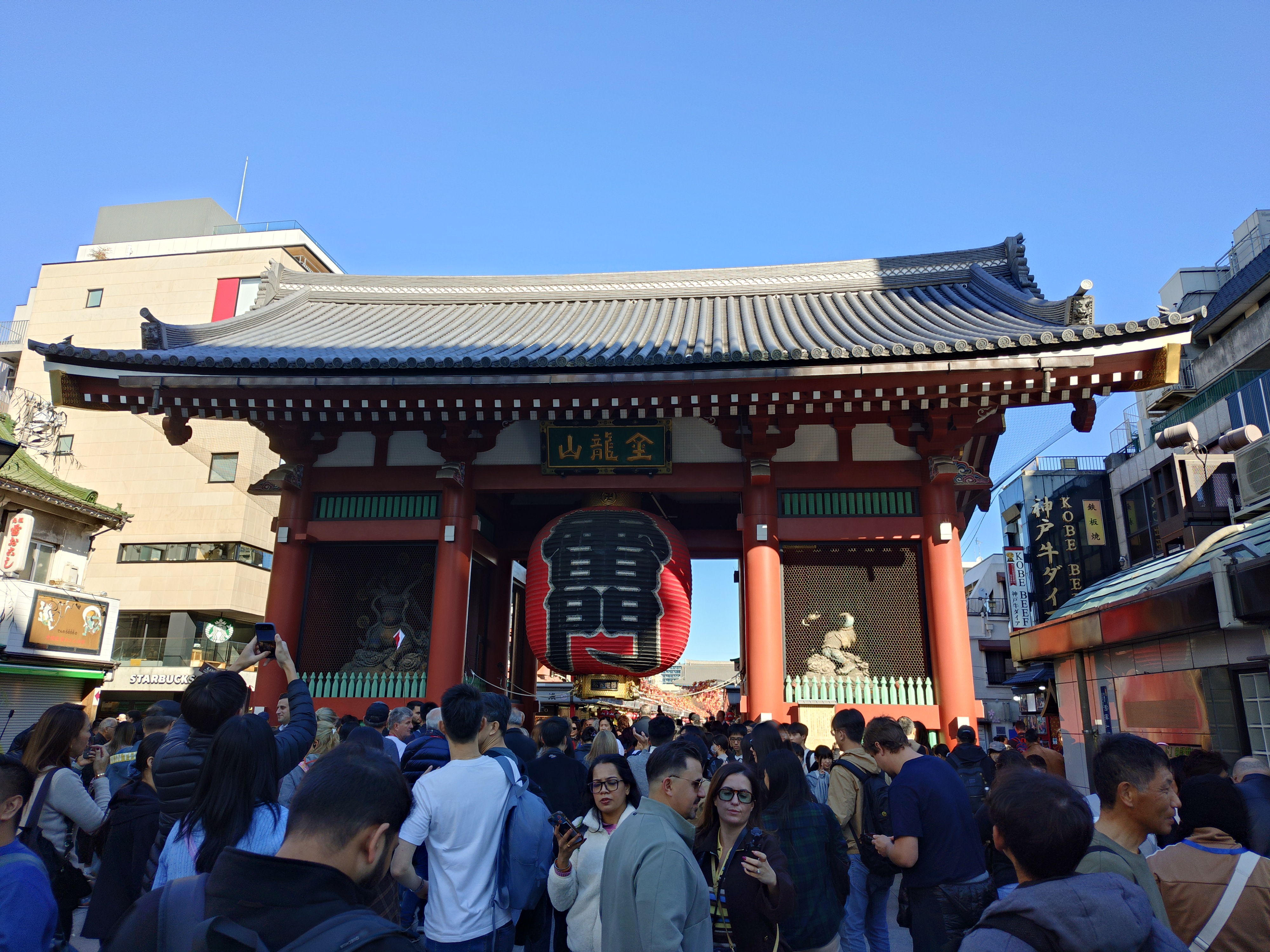
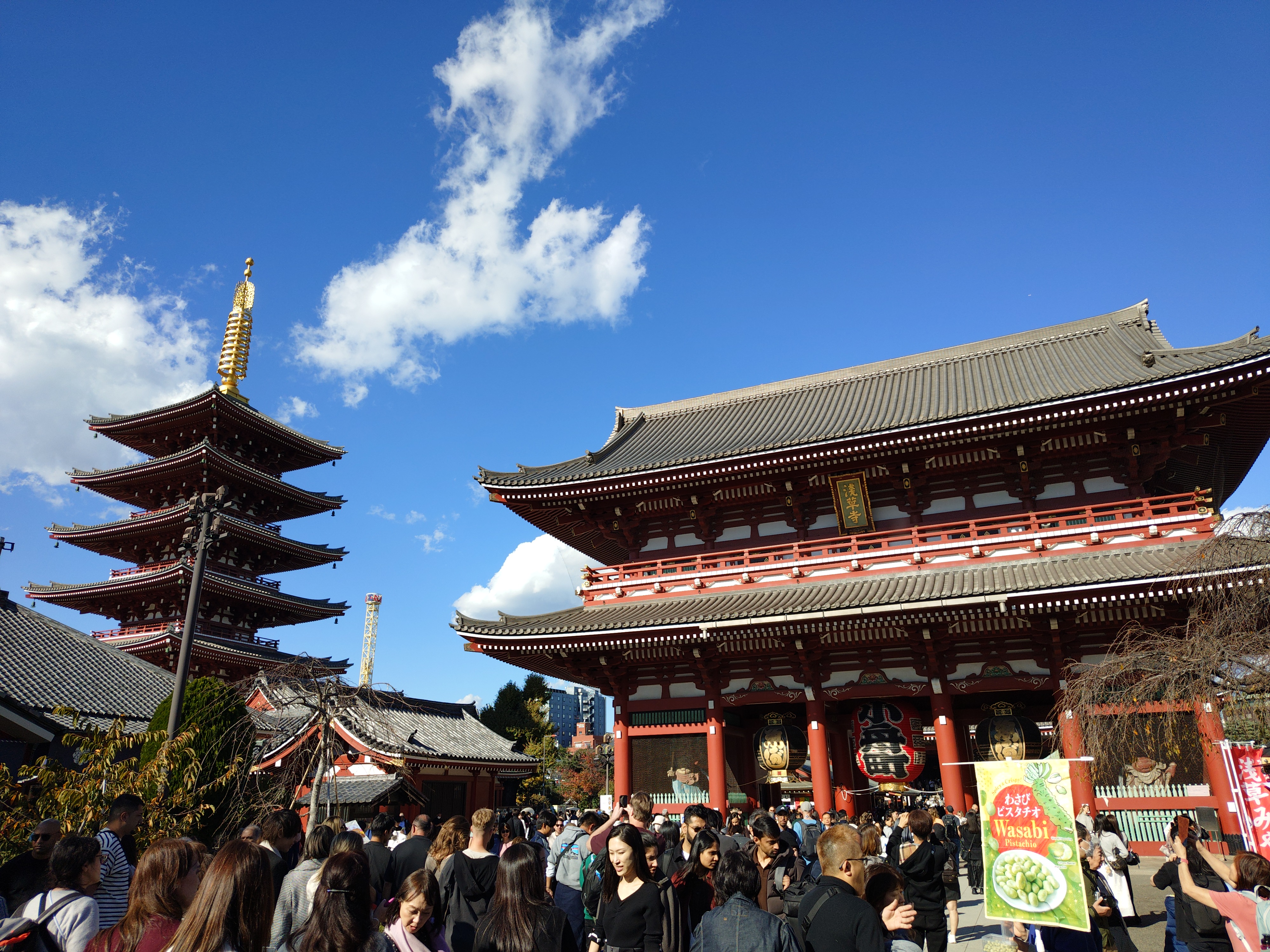
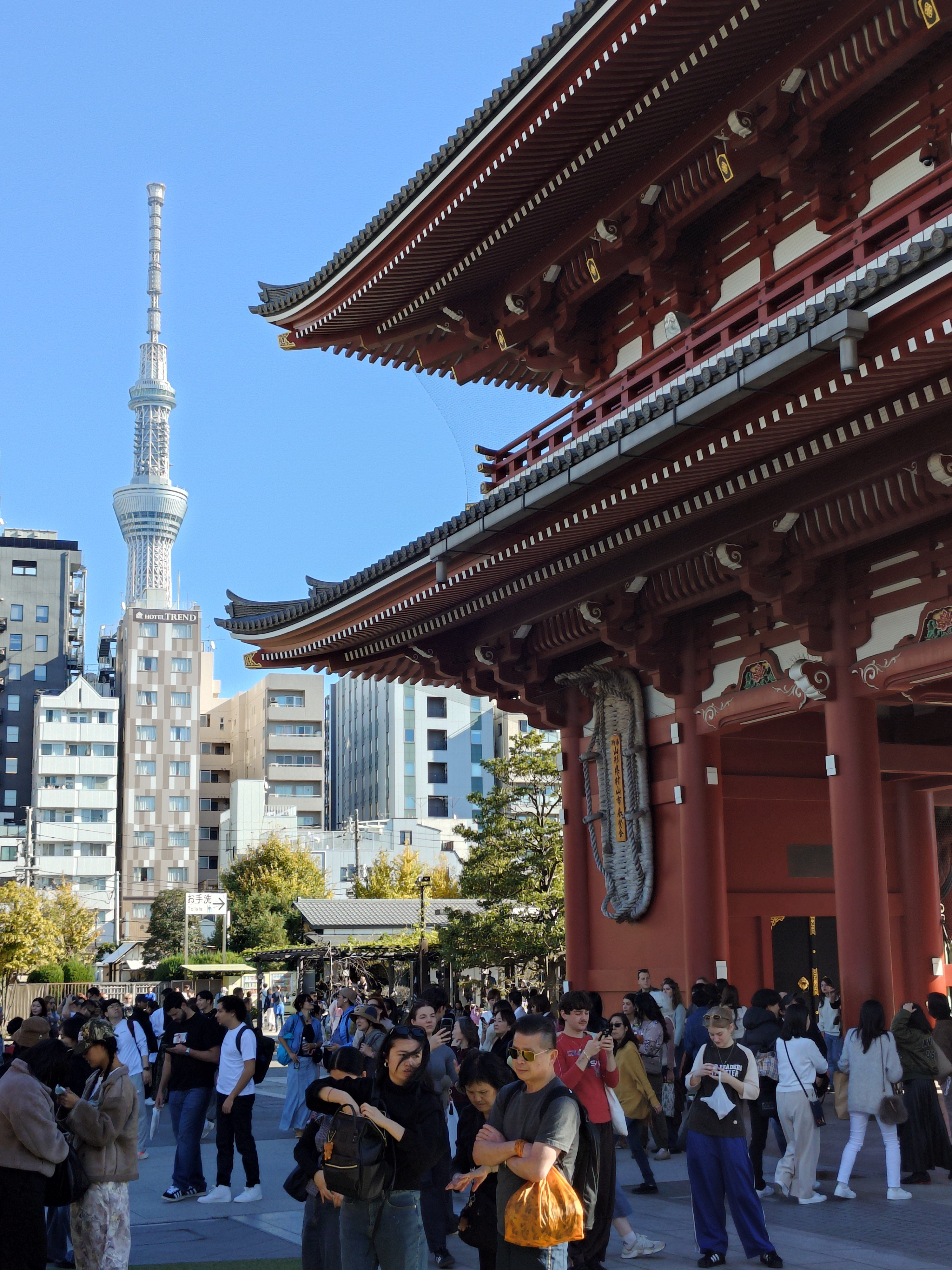
Historic Landmarks and Old Streets: At the center of Asakusa is Senso-ji, the oldest Buddhist temple in Tokyo. Leading to the temple is Nakamise-dori (仲見世通り), a lively shopping street that has welcomed visitors for hundreds of years. Giant red lanterns, incense smoke, and wooden buildings create a classic Japanese scene.
- A Town of Traditional Crafts: For generations, skilled artisans have lived and worked in Asakusa. As you walk down the side streets, you will find small shops selling Edo Kiriko (cut glass), folding fans, wooden combs, and festival goods.
- Classic Local Food: Asakusa is a great place to try traditional snacks. You can enjoy freshly baked ningyo-yaki (small cakes filled with sweet red bean paste), crispy age-manju (fried sweet buns), and old-style tempura or soba noodles.
A Special November Event: “Tori-no-Ichi”
Asakusa is wonderful in any season. However, when November comes, a special, once-a-year festival brings new energy to the neighborhood: Tori-no-Ichi (The Rooster Fair).
This festival began in the Edo period. People visit to pray for good luck, happiness, and success in business for the coming year. It is held on the “Days of the Rooster” (Tori-no-Hi) based on the traditional zodiac calendar, and takes place twice in November. During these festival days, the quiet streets north of Asakusa stay awake and lively for 24 hours.
Important Location Check: It is NOT at Senso-ji Temple!
Because the event is called “Asakusa Tori-no-Ichi,” many visitors walk to Senso-ji Temple looking for it.
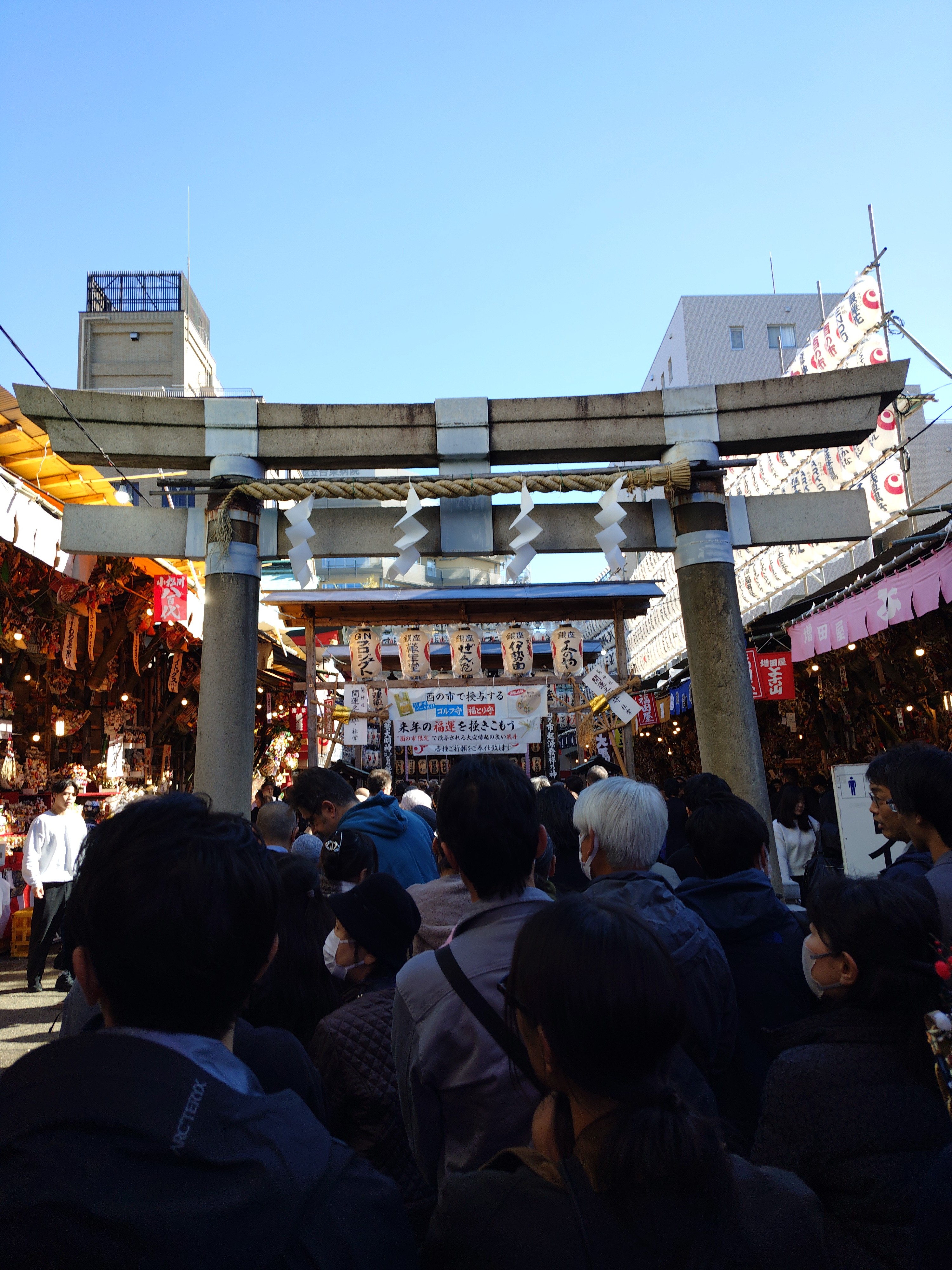
Please be careful: The festival actually takes place at Otori Shrine (鷲神社) and the neighboring Chokokuji Temple (長国寺). They are located about a 15-to-20-minute walk north of Senso-ji. Make sure to search for Otori Shrine on your map app so you go to the right place!
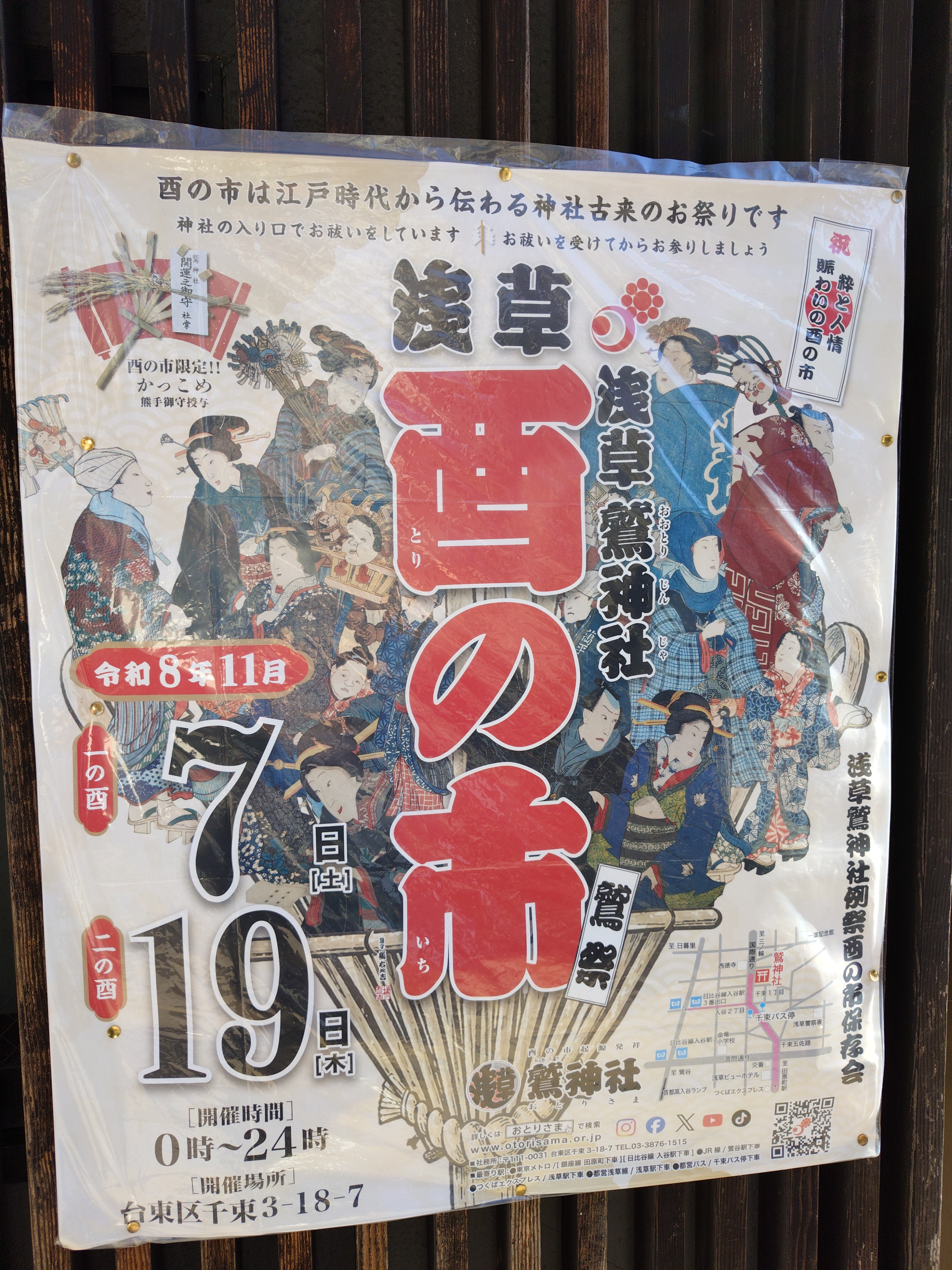
Three Highlights of Tori-no-Ichi
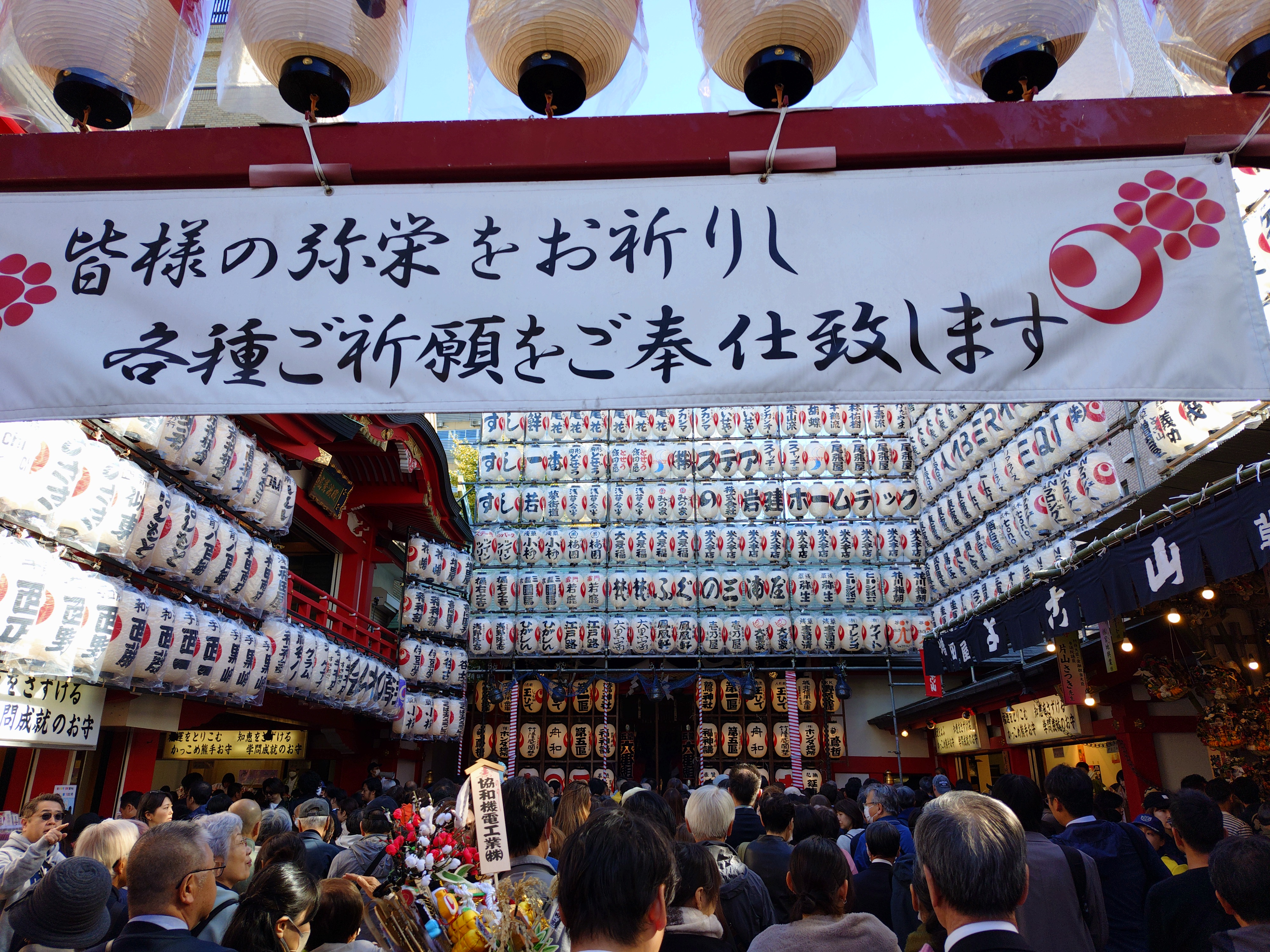
When you enter Otori Shrine during Tori-no-Ichi, you will see bright lights and hear loud, cheerful voices everywhere. Here are three special things to look for:
1. Engi Kumade (Lucky Bamboo Rakes)
The main attraction of the festival is the Engi Kumade. These are bamboo rakes decorated with treasure ships, gold coins, lucky gods, and bright lanterns. Kumade (熊手) literally means “bear claw.” People buy them to “rake in” (kaku-komu) good luck, money, and happiness for the new year.
Local artisans make each rake by hand. According to tradition, first-time buyers should start with a small kumade and buy a slightly bigger one each year as their luck and business grow.
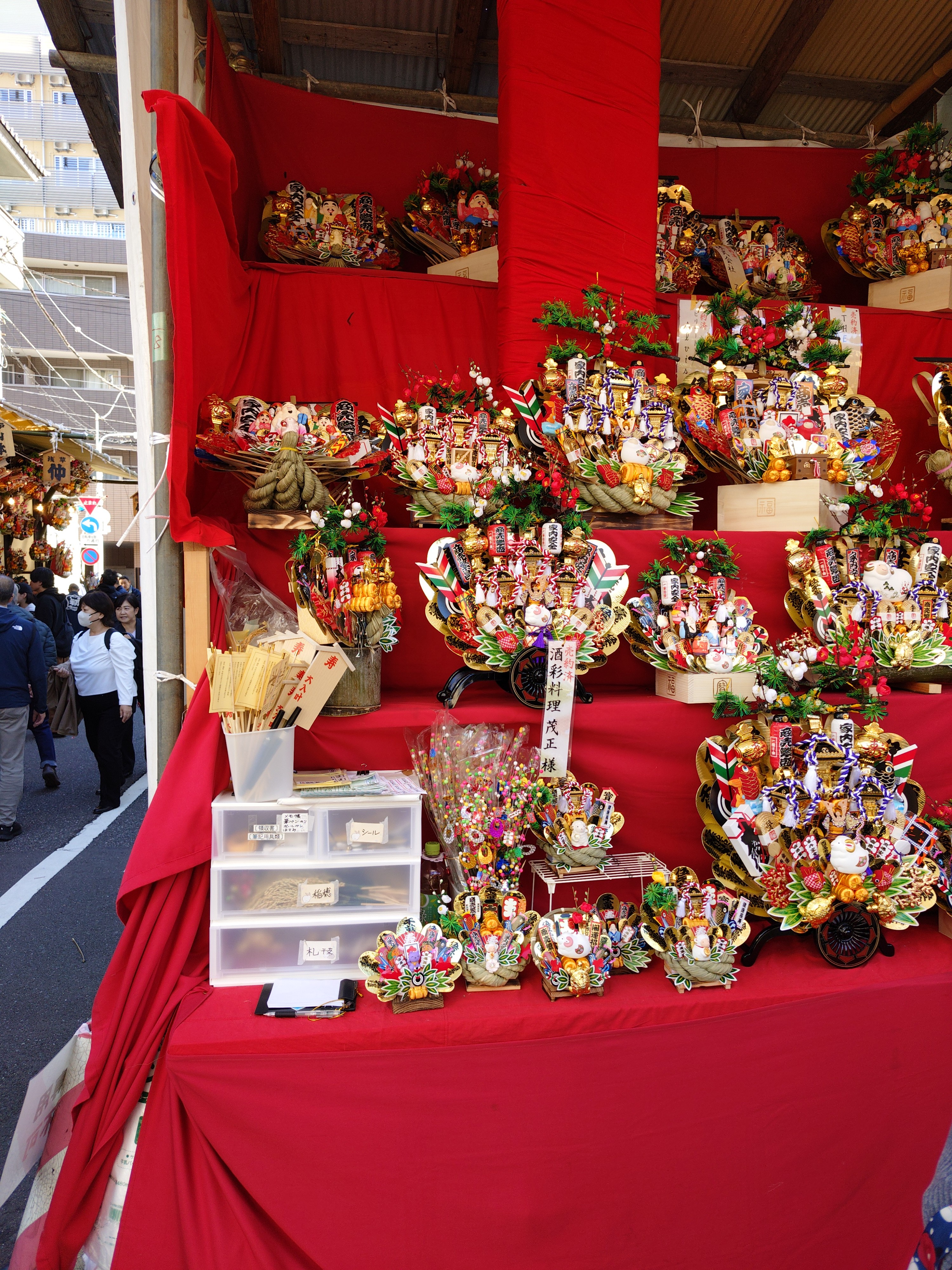
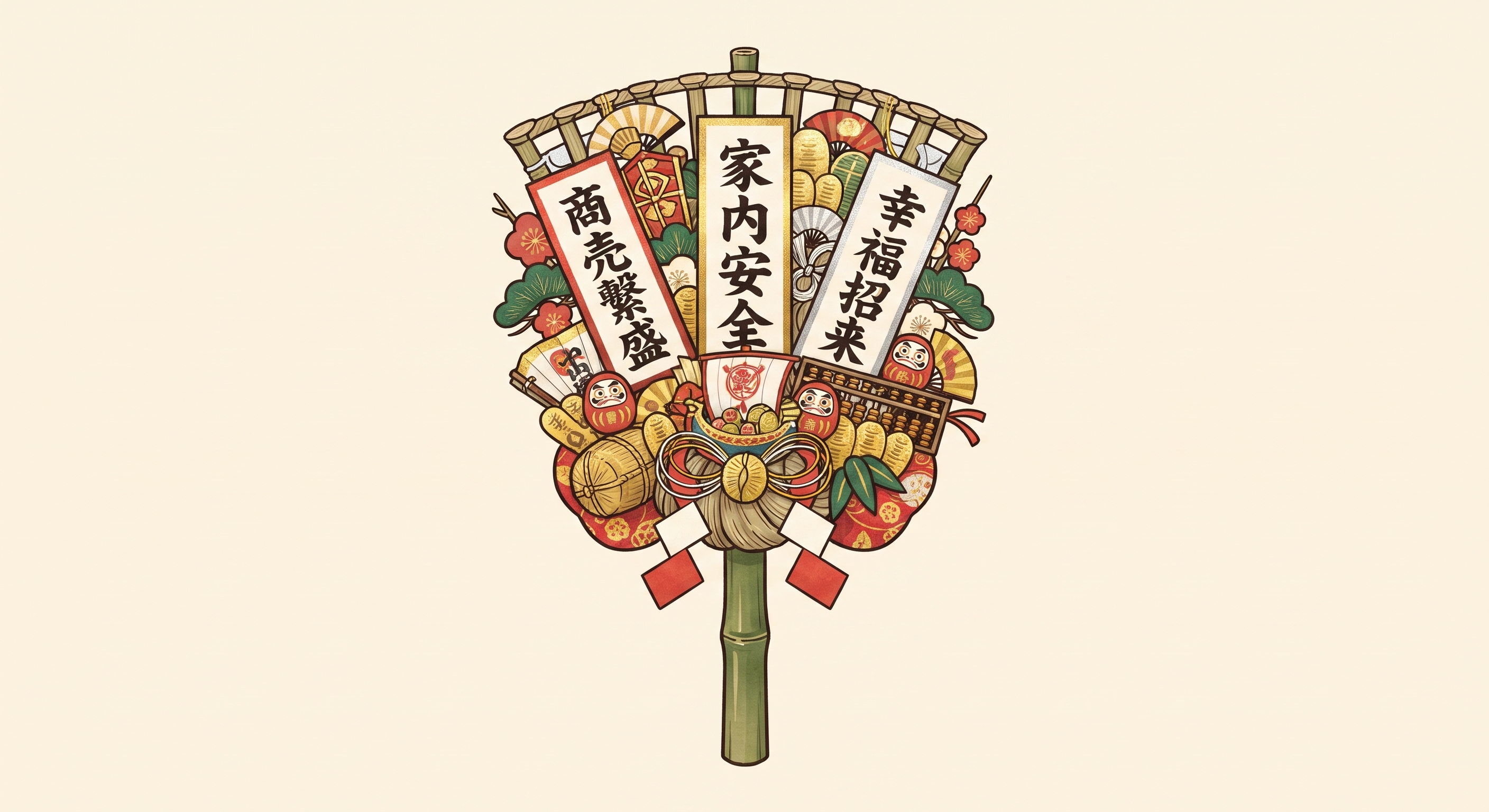
(Kumade Image)
2.The “Tejime” Clapping Ritual
As you walk past the stalls, you will often hear a group of people shouting and clapping together in rhythm. This is called Tejime. It is a traditional Edo clapping ceremony performed whenever someone buys a kumade.
The shop staff and the buyer clap together and finish with a happy shout of “Yoyoi no Yoi!” It is more than just paying for an item—it is a way to say thank you and wish for future success together.
3.Friendly Bargaining and the “Iki” Tipping Culture
Unlike most shops in Japan, many kumade do not have price tags. Part of the fun is talking with the seller and asking for a small discount.
Here is a cool local custom called Iki (stylish generosity, 粋): after the seller lowers the price, the buyer still pays the original price and leaves the change behind as a go-shugi (a celebratory tip). This money supports the shrine and the craftspeople.
During our visit to the shrine, we were lucky to catch a traditional Shishimai (lion dance) performance, believed to drive away bad luck and bring good health.
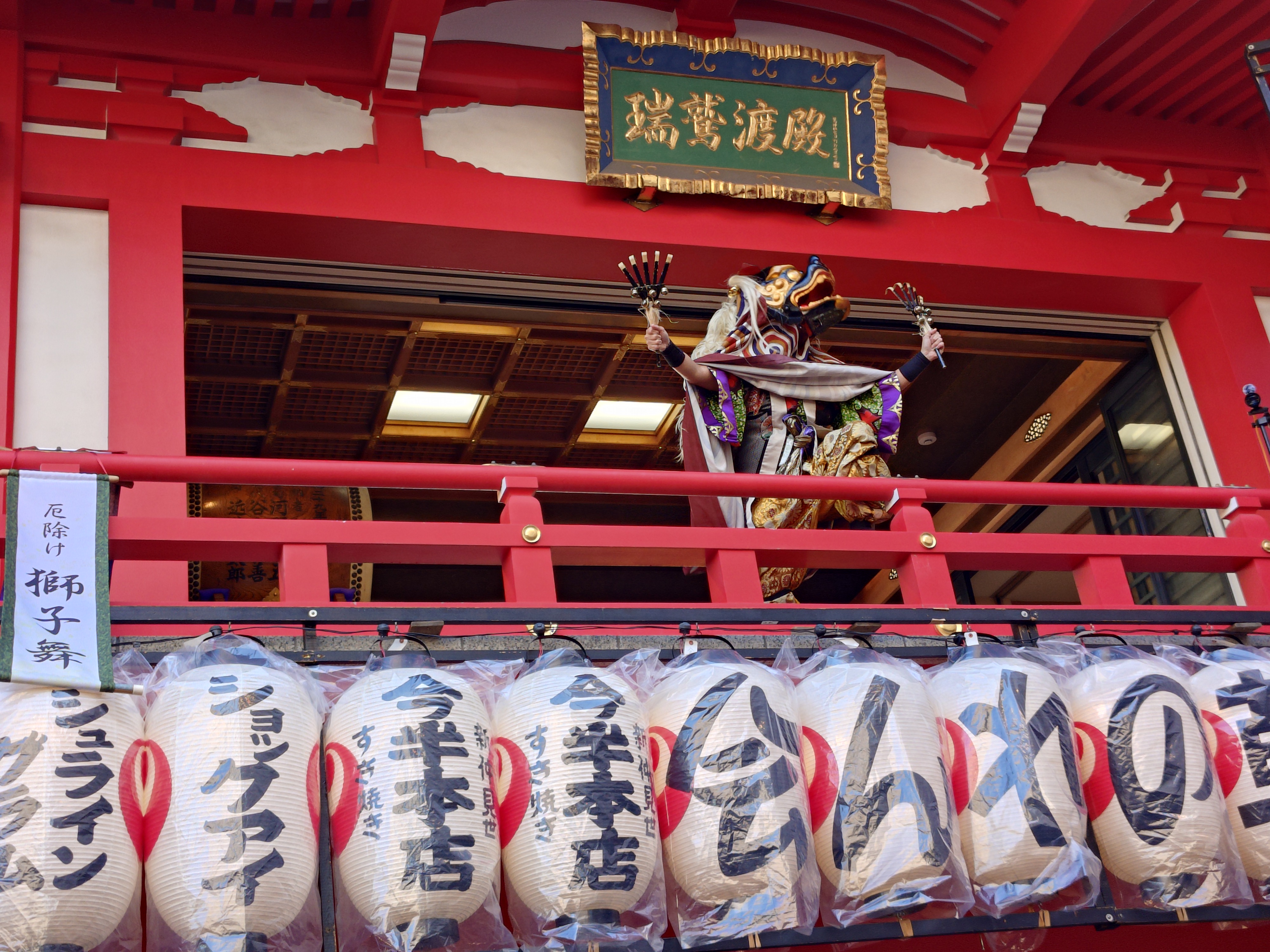
4.Practical Tips for Visitors
Best Times to Visit (and How to Avoid Crowds)
Tori-no-Ichi runs for 24 hours, starting at midnight with a loud drum beat (Ichiban-daiko) and ending at midnight the next day.
- Best Times (Quiet & Relaxed): Go in the early morning (6:00 AM – 9:00 AM) or late morning (9:00 AM – 11:00 AM). The air is fresh, crowds are small, and sellers have time to talk with you.
- Busiest Times: 4:00 PM to 10:00 PM is the most crowded period, as office workers and locals visit after work. The energy is exciting, but it is very hard to walk through the narrow paths.
Street Food and Local Sweets
Hundreds of food stalls (yatai) line the streets around the shrine, selling yakisoba noodles, takoyaki (octopus balls), and warm amazake (a sweet rice drink). Please note that while the shrine is open 24 hours, most food stalls close around 2:00 AM and open again later in the morning.
Look for Kiri-Sansho (切山椒)—a traditional sweet sold during Tori-no-Ichi. It is made of soft mochi rice mixed with Japanese pepper (sansho). It tastes sweet with a gentle spicy kick, and people have eaten it for good health since the Edo period.
5. Simple Rules and Manners
- Bring Cash: Most food stalls and kumade shops only take cash. Carry plenty of Japanese yen, especially 1,000-yen bills and coins.
- Ask Before Taking Close-Up Photos: The colorful stalls look great in photos, but please ask “Shashin ii desu ka?” (May I take a photo?) before taking close-up pictures of sellers or customers.
- Join the Clapping: If someone next to you buys a kumade, feel free to smile and join in the Tejime clapping!
- Do Not Walk While Eating: In crowded Japanese festivals, people do not eat while walking so they don’t bump into others. Finish your food near the stall where you bought it, and put trash in the stall’s bin.
- Be Quiet Late at Night: Otori Shrine is in a quiet residential neighborhood. Please keep your voice down if you visit late at night or early in the morning.
Access Information
- Venues: Otori Shrine (鷲神社) & Chokokuji Temple (長国寺)
- Address: 3-18-7 Senzoku, Taito-ku, Tokyo
- How to Get There:
- Tokyo Metro Hibiya Line: 7-minute walk from Iriya Station (North Exit)
- Tsukuba Express: 10-minute walk from Asakusa Station
- From Senso-ji Temple: 15-to-20-minute walk north
Enjoying the historic streets of Asakusa during the day and experiencing the lively energy of Tori-no-Ichi in November is a wonderful way to feel the heart of old Edo. If you are in Tokyo this November, step beyond the usual tourist spots and come rake in some good fortune!