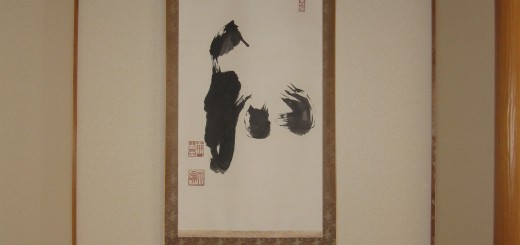
Wabi-Sabi in Everyday Life 〜日常に溶け込む「侘び寂び」
The Wabi-Sabi You Don’t See
Travelers often look for Wabi-Sabi in ancient temples or traditional tea houses in Japan. Yet, if you ask Japanese around you if they think about it in their daily life, they will likely say, “Almost never.”
This isn’t because the aesthetic is gone. It has simply become an essential part of our daily environment—as natural as the air we breathe.
What Exactly is Wabi-Sabi?
Simply put, Wabi-Sabi is the mind that finds beauty in things that are imperfect, temporary, and incomplete.
- Wabi (侘び): Finding peace and beauty in simplicity and quiet modesty.
- Sabi (寂び): Finding beauty in how things age, wear, and change over time.
The Origins: From Negative Words to High Art
Originally, Wabi and Sabi were negative words that referred to loneliness, poverty, and decay. This shifted during the 15th and 16th centuries.
During a time when fancy, perfect Chinese tea cups were highly valued, tea master Sen no Rikyu (千利休) asked a simple question: “Is perfection the only true beauty?”
He created a new style called “Wabi-cha,” serving tea in small, simple rooms using rough, irregular local pottery. He showed people that incomplete things give us room to use our imagination and build deeper human connections.
Here are a few examples of Wabi-Sabi in everyday life, divided into three parts from my perspective.
Chapter 1: The Washitsu as “Micro-Nature”
To see how Wabi-Sabi lives quietly in modern Japan, we only need to look at a traditional Japanese room: the Washitsu (和室).
While international visitors usually encounter a Washitsu at a traditional inn (Ryokan), many Japanese homes—even modern apartments in Tokyo—still have at least one room laid out with Tatami mats.
This is typical Washitsu structure.
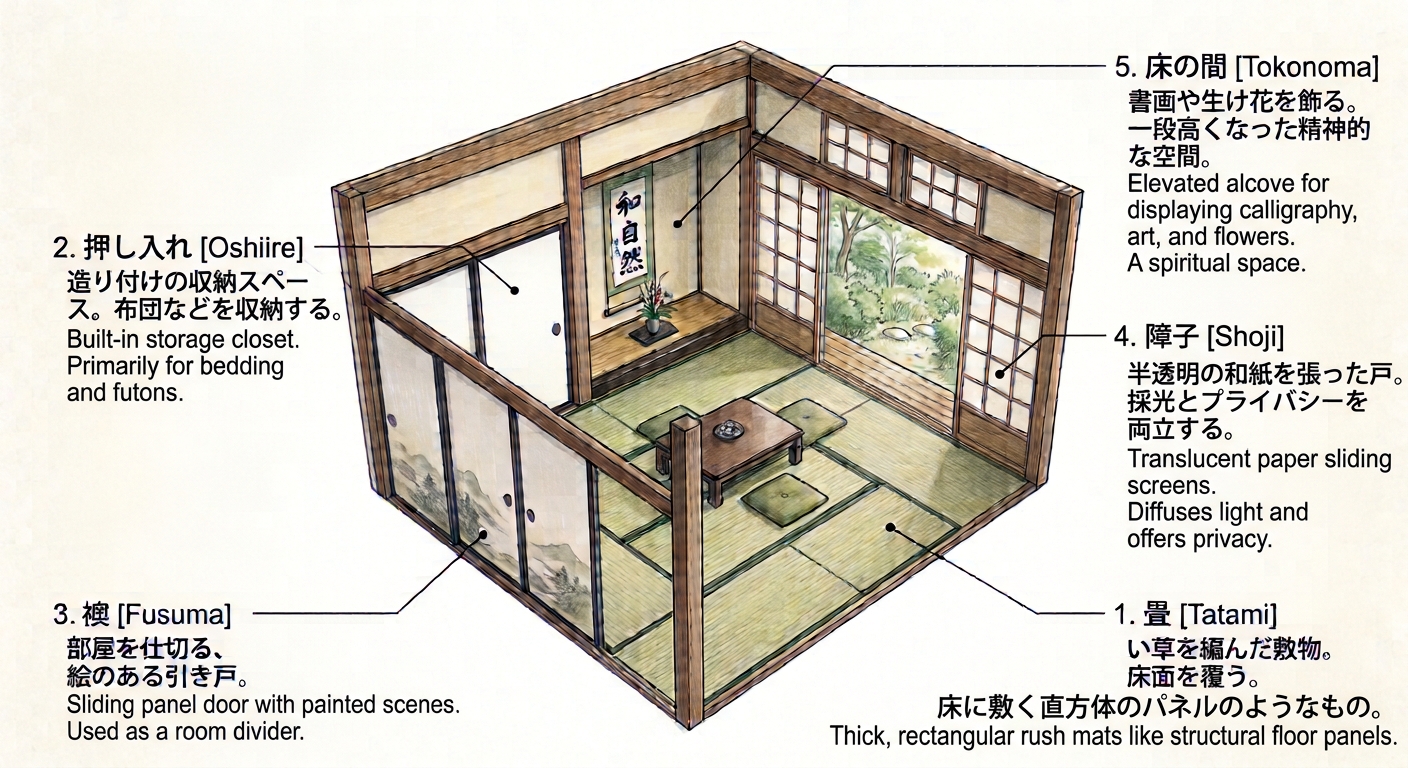
The Contrast of Structure and Natural Color
A Washitsu is essentially a “Micro-Nature” built right inside a house, created through two main elements:
- The Structure (The Skeleton): Physical features like Tatami (thick floor panels covered with woven rush grass), Shoji and Fusuma (wooden sliding doors), and the Tokonoma (a raised alcove for seasonal art) work together to create a balanced space.
- The Palette (Natural Colors): The color scheme relies entirely on natural materials: soft whites from paper, warm browns from wood, and earthy greens from fresh grass. Instead of relying on artificial decorations, the room brings nature indoors.
Over the years, these natural colors slowly change. The white paper softens light, the brown wood gains a deeper shine, and green Tatami fades into a warm golden color. It is a room designed to let us enjoy the slow passing of time.
A Personal Experience in My Family Home
My family home has a Washitsu, and whenever I stay there during holidays, I feel a wonderful sense of quietness.
Because everything in the room is already in simple balance, I feel that adding extra items would disrupt its peace. At the same time, the natural wood and straw give off a soft, refreshing scent. Sitting or lying there alone in the stillness, it feels as if I am staying quietly by myself in the middle of a peaceful park. It is a relaxing feeling of being safe indoors while feeling close to nature.
Chapter 2: The Beauty of Impermanence & Aging
If the Washitsu shows how we bring nature into our rooms, our relationship with time reveals the core of Wabi-Sabi: accepting that nothing lasts forever, nothing is completely finished, and nothing is perfect.
In many modern cultures, aging implies wear, damage, or losing value. But in Japan’s daily mindset, time acts like an artist. The subtle marks left by years of daily use do not ruin an object—they give it a personal story and a soul.
- Loving Transience (Things That Pass Quickly)
- The Life of Cicadas: In the middle of summer, cicadas live above ground for only a week or two, singing loudly before quietly passing away. If you look at trees in a park, you will find living cicadas, empty shells left on tree bark, and cicadas that have ended their life. Seeing their strong energy alongside their short life reminds us of the quiet beauty in temporary moments.
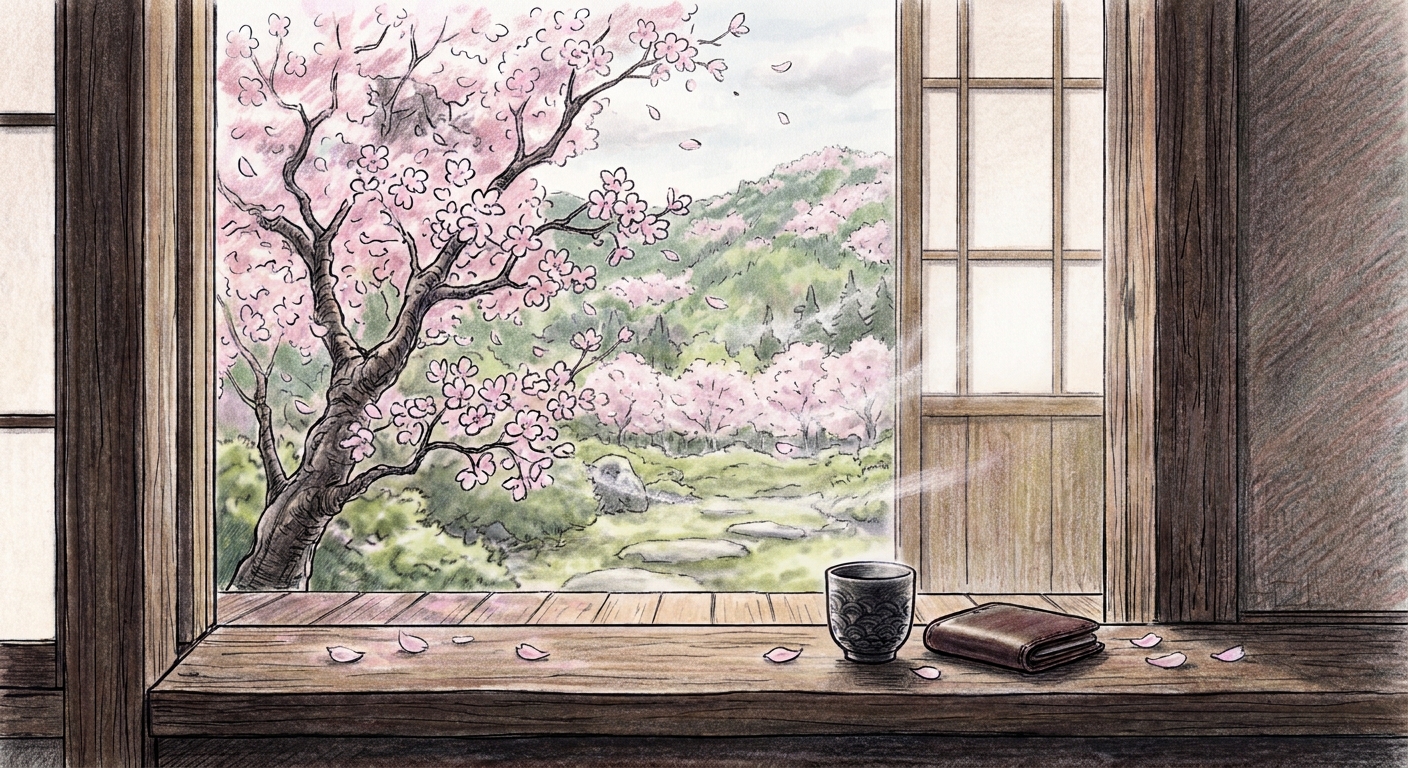
- Fading Blossoms (Hanaikada): People love cherry blossoms not only when they are in full bloom, but also when they fall—like petals dancing in the wind (Sakura Fubuki) or floating on rivers (Hanaikada).
- Rainy Days: Finding comfort not only on clear, sunny days, but also in the calm, reflective mood of a quiet rainy afternoon.
- Growing Character Over Time
- Aging with Quality (Keinen Henka): Denim jeans that fit better as you wear them, leather wallets that turn darker and smoother with daily use, and wooden tools polished by hands over time.
- Handmade Ceramics: Feeling warmth in rustic, slightly uneven tea cups rather than uniform plastic cups.
- Old Houses & Kintsugi: From renovated traditional homes (Kominka) keeping their old wooden beams, to Kintsugi (fixing broken pottery with gold lines), scars are shown proudly as history rather than hidden as flaws.
Chapter 3: Space, Silence, and What Remains Unsaid
Wabi-Sabi also shapes invisible areas, such as design and communication. It is an art of taking things away, where leaving empty spaces or unsaid words creates deeper meaning.
- “Ma” (Negative Space) in Design: In simple layouts, flower arrangements (Ikebana), and architecture, leaving open spaces gives focus and dignity to the main subject.
- The “Space Between Lines” in Language: Instead of explaining every single detail, Japanese conversation values quiet pauses and resonance—reflected in phrases like “reading the air” (Kuuki wo Yomu) or “silence is a flower” (Iwanu ga hana). Leaving room for others to think and feel creates warm empathy.
How Aesthetic Values Shape Our Mindset
On a personal note, I often think that the general Japanese habit of humility—preferring simple things over showing off, and presenting oneself as one is—comes from growing up around Wabi-Sabi.
The habit of removing unnecessary decorations to accept simplicity and silence doesn’t just shape tea rooms; it quietly shapes how we treat the people around us with gentle care.
Conclusion: A Gentle Lens for Modern Life
Wabi-Sabi is not a dusty idea from history books; it is a gentle lens for enjoying your everyday world:
- Embrace the Scars: See worn objects and past mistakes as meaningful parts of your personal story.
- Value the Margins: Keep open space in your room, your weekly schedule, and your conversations.
- Cherish the Present: Remember that moments pass—and that their short nature is what makes them special.
The next time you notice something slightly worn, imperfect, or quiet, take a short pause. You are looking right at Wabi-Sabi.
A Note from the Author
Please note that these are simply my personal thoughts and reflections. Naturally, not every Japanese person views or feels things in the exact same way.
What About You?
Do you ever experience moments of Wabi-Sabi in your own daily life? Even if you aren’t Japanese, I believe these gentle feelings of appreciating impermanence, simplicity, and imperfection are universal.
If anything comes to mind, no matter how small, I would love to hear your story in the comments below!